
BEYOND THE BUGMEN: A KAMEN RIDER OVERVIEW SERIES
PART VIII: The Doctor Rider Saving People's Smiles
Kamen Rider Ex-aid (October 2, 2016 - TBA) is currently airing in Japan, and as such, there's still quite a bit to be seen about the deeper plot and themes of it. But, what we do have so far is absolutely fantastic. Following a pediatric intern named Houjou Emu, he discovers a secret department of the hospital he works in called the Computer Research department, or CR for short. They fight off a virus infecting humanity known as the Bugster virus, which is created and spread via video games.
 |
| Our main character, Hojo Emu. Thankfully, he remains this happy through most of the series. |
The part that gets most people interested in Ex-aid is the video game theme. Unfortunately, it's not real-life video games (though movie tie-in toys tend to break that rule), but the Riders have powers based on genres of video games - our main three are platformers, RPGs, and shooters. We see a plethora of other power sets, as well. Sports games, racing games, even Monster Hunter-style cooperative games are represented. It's interesting to see what Japan views as the most important genres of games.
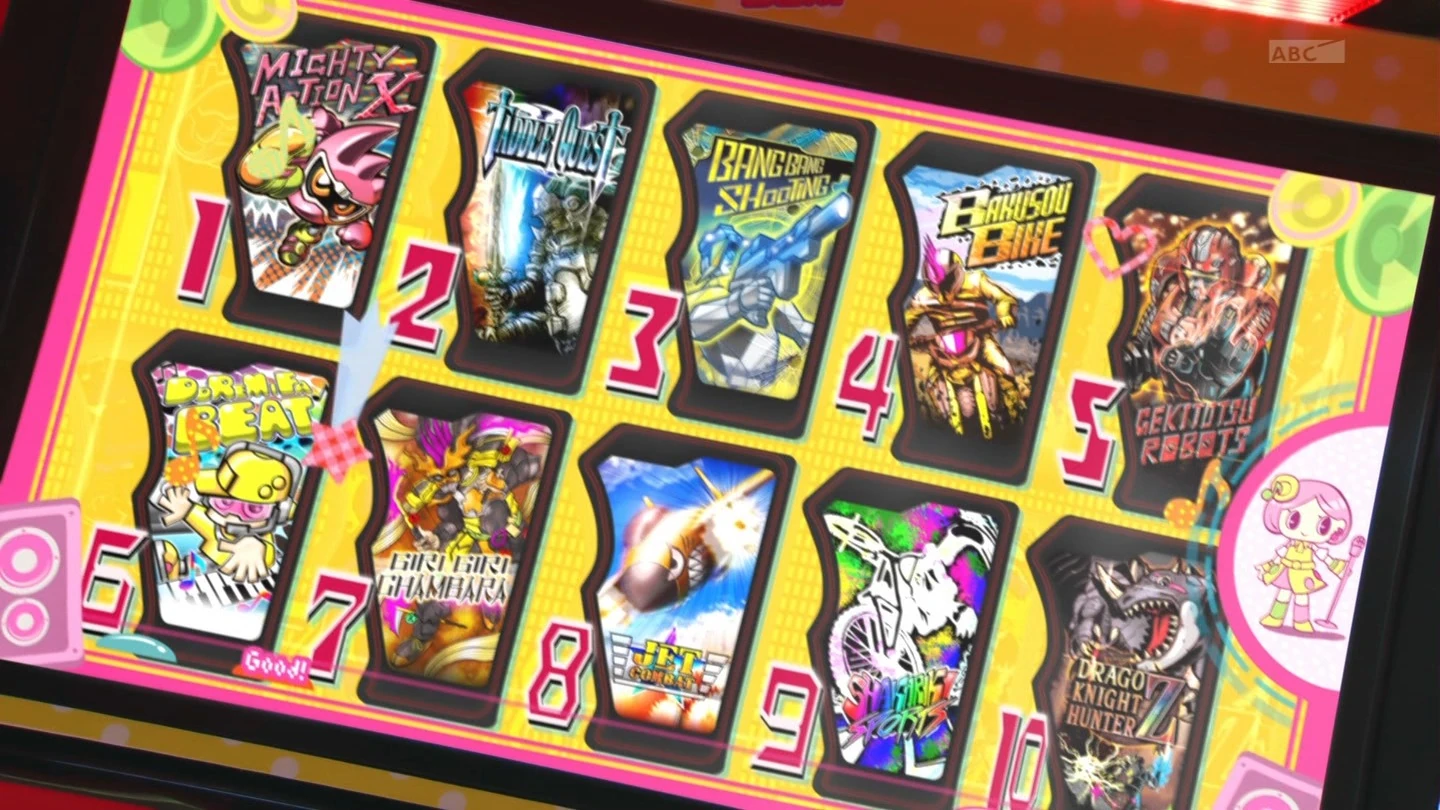 |
| The ten Gashats, or game cartridges, in the series. |
The other big thing that I've started picking up on, which I'll be able to go into more detail with when the series ends, is how the virus is propagated. The Bugster virus feeds on, and is empowered by, stress and anxiety. The monsters of the week try to stress out their hosts enough to give them a physical form. Thus, the doctors of CR have to not only transform to fight the monster, but find out what is causing the stress in the first place, so that they can isolate and remove the Bugster from the human body. It's all really fascinating and well-executed.
And with that, the first incarnation of BEYOND THE BUGMEN is complete. After some introspection, I'm going to go back and change the name to OVERVIEW instead of Analysis - these didn't get as in-depth as I wanted to go. I might go back and talk about some other Rider series later on down the line, but for now, what topic do you guys think I should cover next? Let me know in the comments below.


